




Appointments
Request Appointment/Request Exam - After completing the respective forms, these requests will be processed by our services, and you will receive confirmation by email. The indications about the Agreements (Insurance/Subsystem) are merely informative, please request confirmation in the "Observations" field.
Schedule Appointment/Exam myHPA - By accessing myHPA Saúde you can make the appointment in real time, directly on the Doctor's schedule according to his availability.
You can also contact us at +351 282 420 400 Algarve | +351 269 630 370 Alentejo | +351 291 003 300 Madeira
Phone booking/service hours:
Monday to Friday: 8:00 AM to 7:00 PM, Saturday: 8:00 AM to 5:00 PM Sunday and Holidays: Closed
(National landline)
Your request has been successfully received. We will confirm your appointment shortly.
Download myHPA Saúde:


Immunoallergology Nursing Consultation
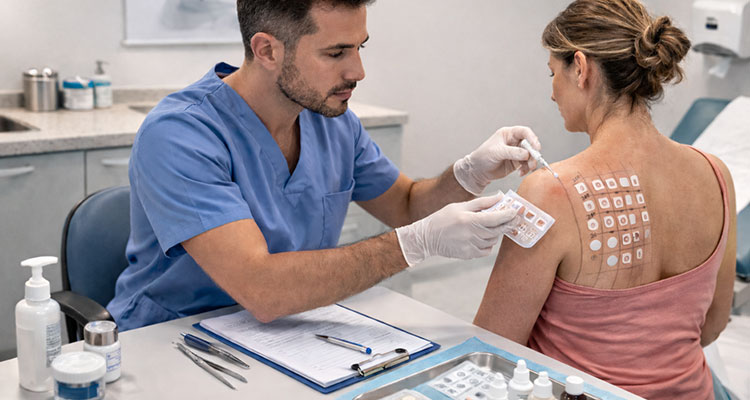
CUF | Grupo HPA Saúde offers, within the scope of its services, an outpatient department encompassing several specialties, including Immunoallergology.
The Immunoallergology consultation is duly structured and organised, and is delivered by a Consultant Immunoallergologist and a nurse with specialised training and expertise in the field.
Patients of all age groups are seen in this clinic, although there is a particularly high attendance of children and adolescents. Care and communication are always personalised, taking into account each individual’s maturity, age and stage of development.
SERVICE AVAILABLE
AT OUR LOCATIONS*
Algarve
CUF Alvor Hospital
CUF Faro Hospital
Alentejo
Madeira
CUF Madeira Hospital
CUF Funchal Clinic
* Subject to change. Please confirm availability in advance by calling 282 420 400.
The Immunoallergology Nursing Consultation comprises the nursing consultation itself and the Immunotherapy Centre.
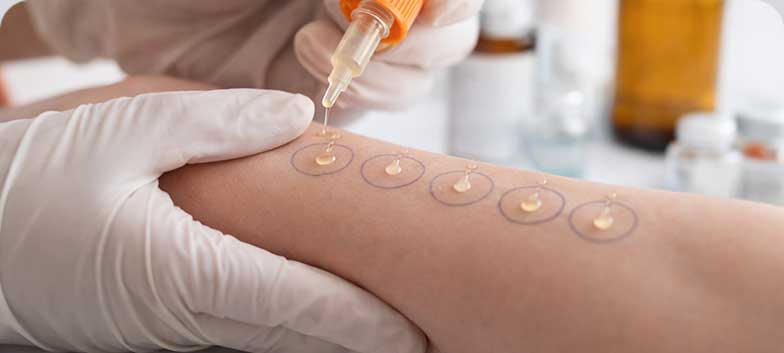
Skin Prick Tests
A wide range of allergen extracts can be tested, including aeroallergens (house dust mites, pollens, moulds and epithelia) and food allergens. Approximately 60 different extracts are available.
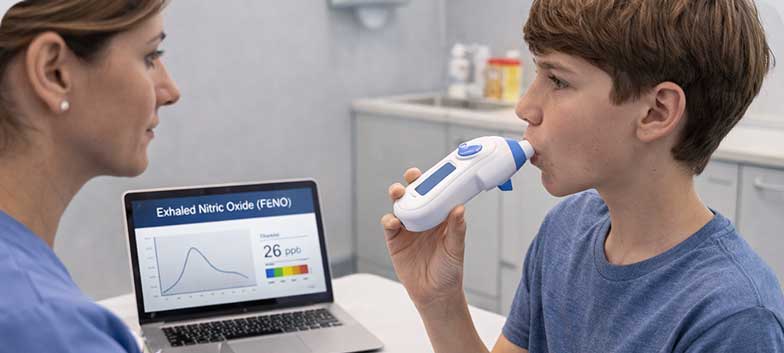
Fractional Exhaled Nitric Oxide (FeNO) Test
This complementary diagnostic tool enables the assessment of bronchial inflammation and represents an important aid in the detection and monitoring of allergic asthma.
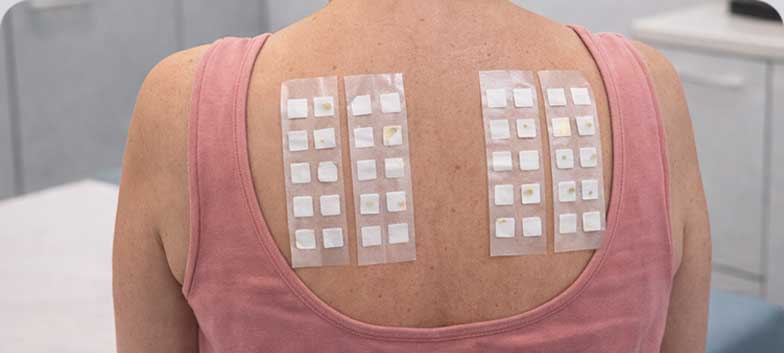
Patch Tests
Patch testing involves the application of allergenic substances in direct contact with the skin, using specific adhesive patches containing small reservoir chambers. These tests are used in the diagnosis of contact dermatitis, allowing the identification of sensitisation to metals, fragrances, cosmetics, medicines, implants, corticosteroids, among others.
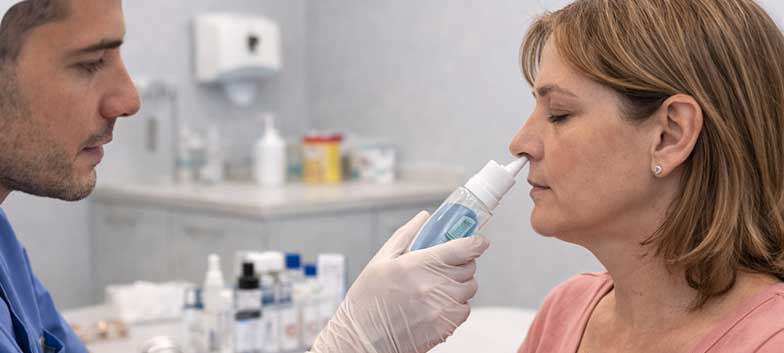
Nasal Provocation Tests
Nasal provocation tests consist of administering a spray containing a specific aeroallergen into the nasal cavity, within the context of respiratory allergy.
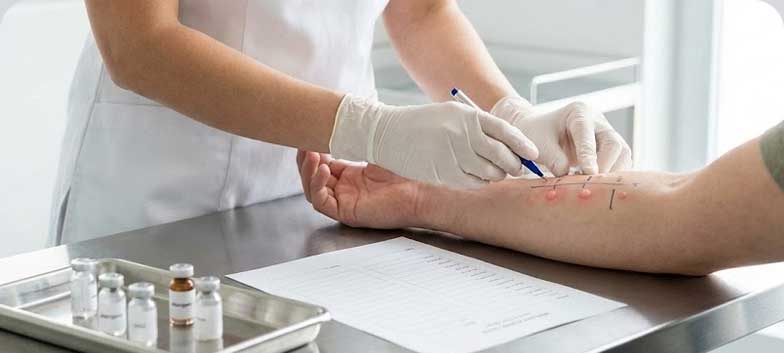
Intradermal Tests
Intradermal tests are performed with medicines as part of the investigation of suspected hypersensitivity reactions. They involve the intradermal administration—usually on the anterior aspect of the forearm—of diluted medicines at non-irritant concentrations. The medicines most frequently tested are beta-lactam antibiotics (penicillin family).
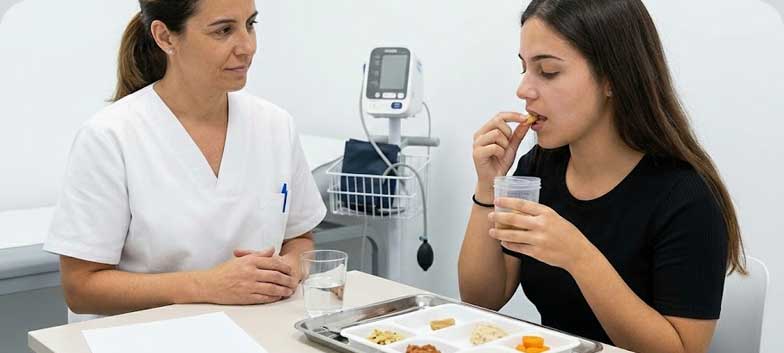
Oral Food and/or Drug Provocation Tests
An oral provocation test consists of administering a food or medicine orally, in gradually increasing doses previously prescribed by the doctor. Its purpose is to confirm a previous reaction to a specific product, clarify a diagnostic suspicion, or assess tolerance.
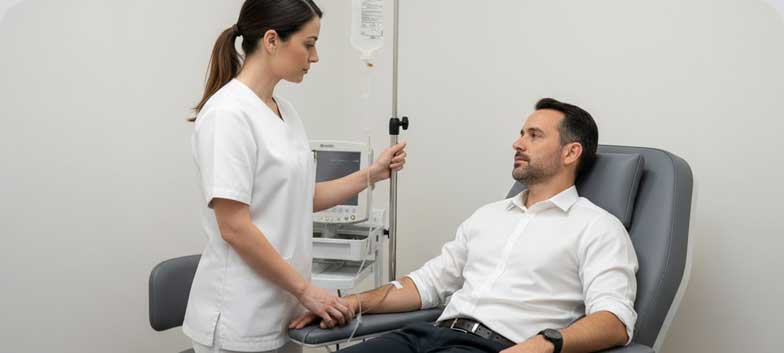
Administration of Biological Therapy
Biological therapy involves the use of advanced-generation medicines for the treatment of specific conditions within Immunoallergology and may, in some cases, require collaboration with the specialty of Otolaryngology.
Oral provocation tests (with foods or medicines), as well as biological therapy, are carried out in a day hospital setting due to their complexity and the potential risk of severe allergic reactions. These procedures require continuous nursing supervision and the presence of the Consultant Immunoallergologist in the Unit.
Immunotherapy
Allergen immunotherapy (commonly referred to as “vaccines”) is the only therapeutic approach capable of modifying the natural course of allergic disease. Although the term “vaccine” is widely used, the procedure consists of a desensitisation process to the identified allergen, with the aim of reducing or eliminating symptoms upon exposure.
Treatment typically lasts between three and five years and is administered monthly via subcutaneous injection. In our clinic, approximately 140 patients per month are monitored for injectable immunotherapy administration.
Within the scope of this consultation, data are also collected from the monitored population through validated questionnaires in the field of Immunoallergology, with the aim of assessing quality of life, symptom control and degree of satisfaction.
The data obtained are subsequently analysed, enabling the development of scientific studies reflecting the team’s activity, which are frequently presented at national and international meetings and conferences.
Continuous professional development remains a permanent commitment of the team, aimed at acquiring new tools and refining skills, with the purpose of continuously improving the quality of care provided and, consequently, the quality of life of patients with allergic disease.
Request for Information
Enfermagem
You can consult your rights here.
You may revoke your consent at any time by sending an email to: dpo@grupohpa.com
You can read more about our Privacy Policy via this link.